THE LIVING CLASSROOM
|
I've noticed that seeing, touching and smelling something is a lot more fun AND inspiring than simply hearing about it.
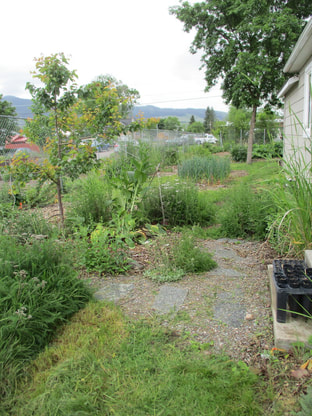
I've sought a place to show the beauty and practicality of living simply; of creating an urban yard that is a vibrant ecosystem; of growing perennial food for people, birds, bees, butterflies and other wild things all at the same time. It's towards resilience for climate challenges, reversing ecosystem collapse, and sharing, within a lively human community. I need green wildness and human "village" around me, and it's possible even in the city! That's where I'm heading with my urban corner lot and small home. The living classroom is already alive! I'm sharing plants, seeds & knowledge. See the Programs page as one example! I collaborated with colleagues Trez Robbins & Caitlyn Lewis on this class series "Tending the Land We Call Home: Urban Gardening Through a Permaculture Lens" in 2021. 26 people joined us from around the country via Zoom. |
|
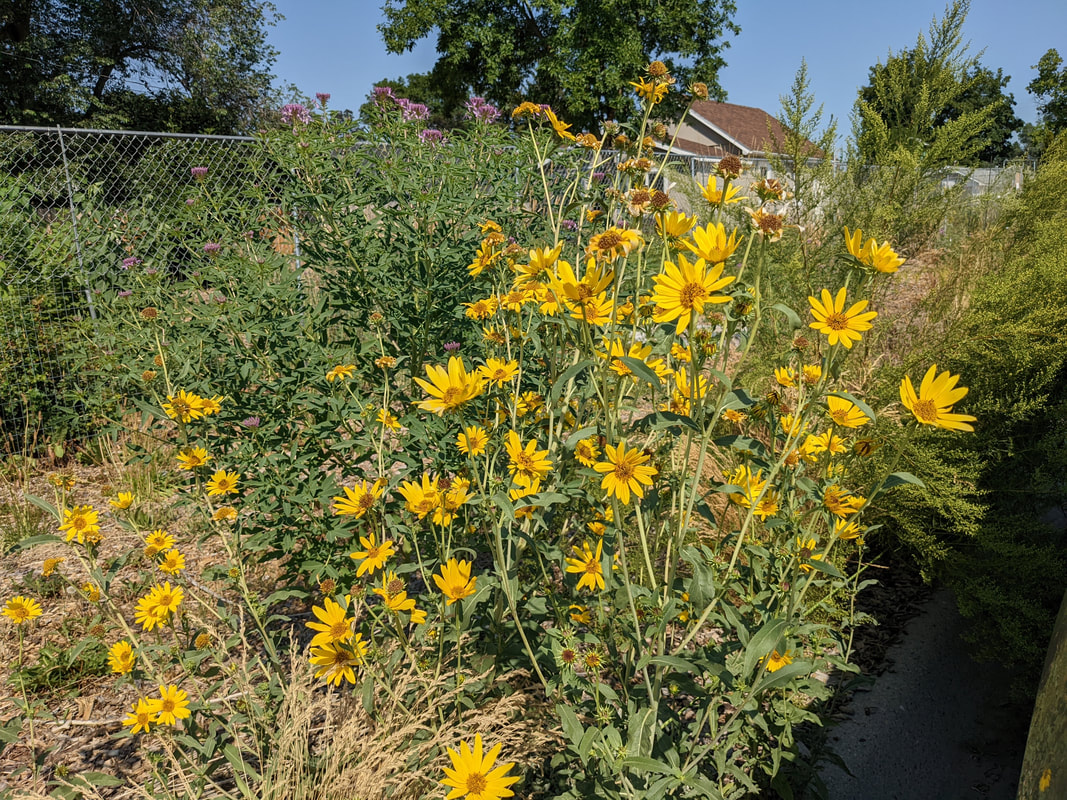
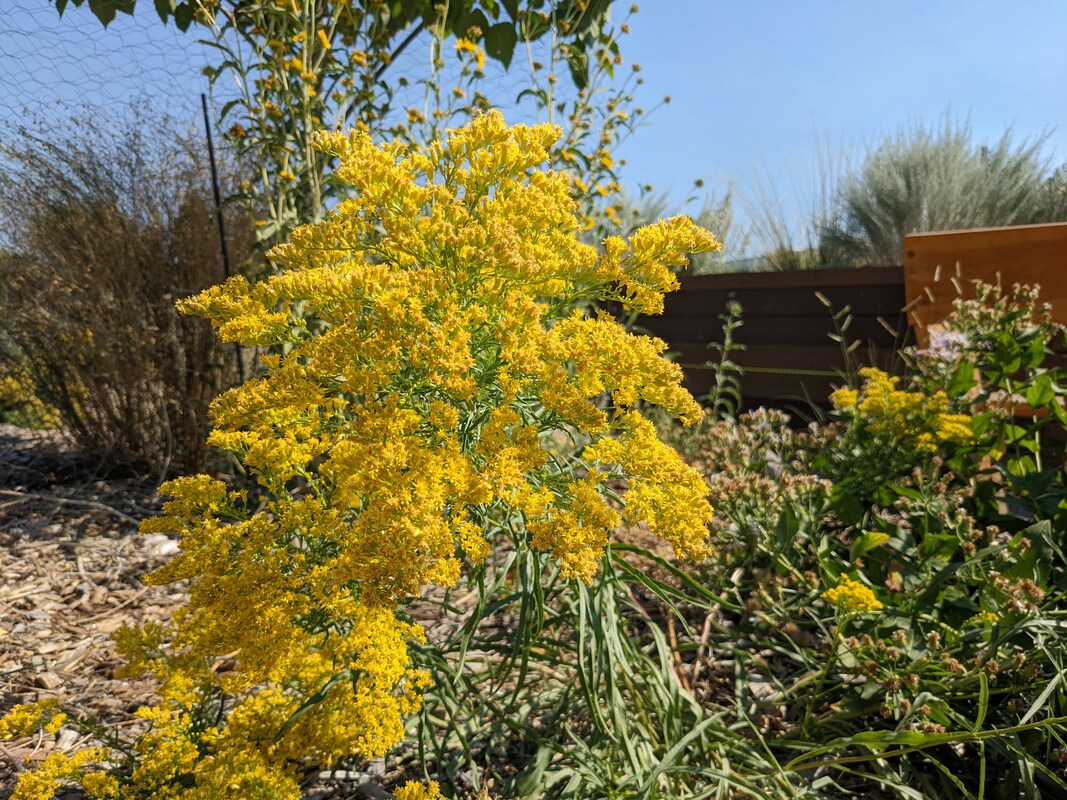
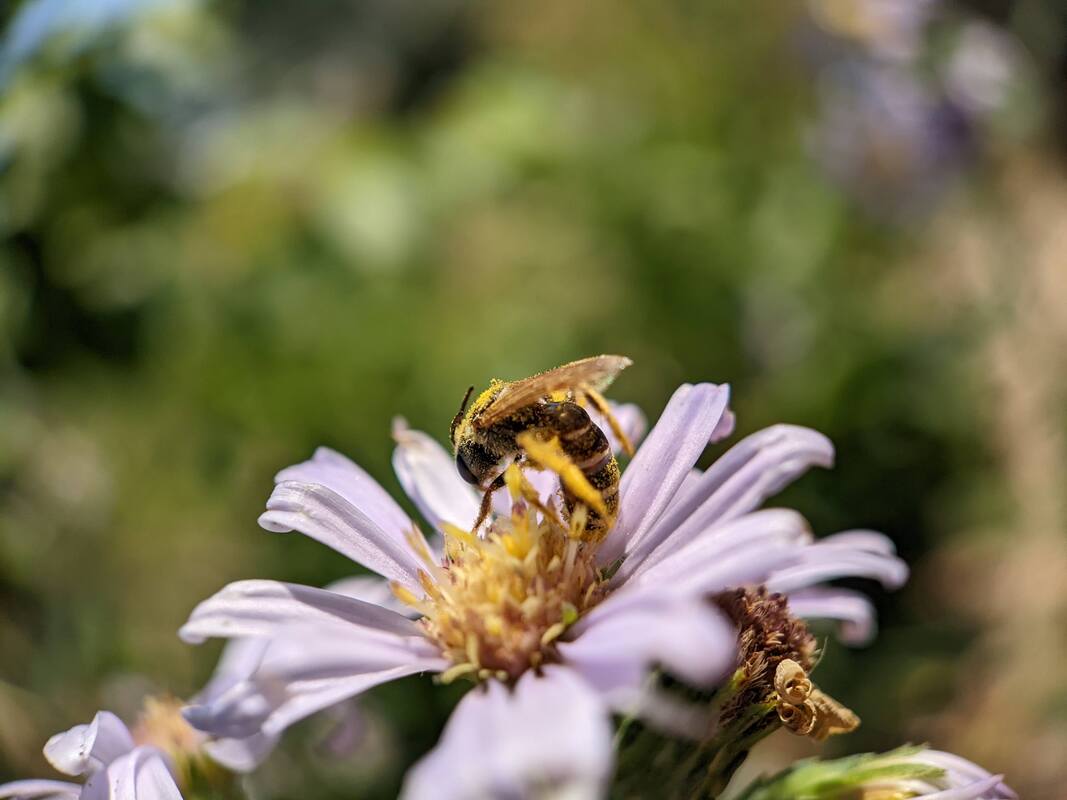
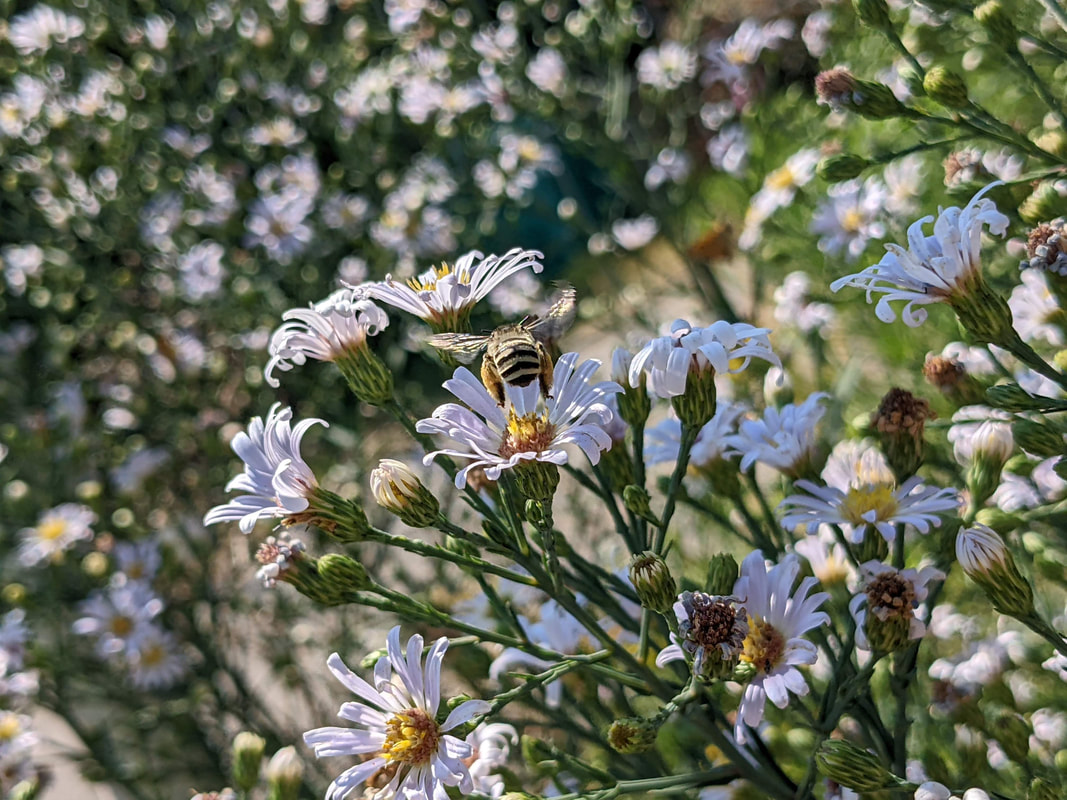
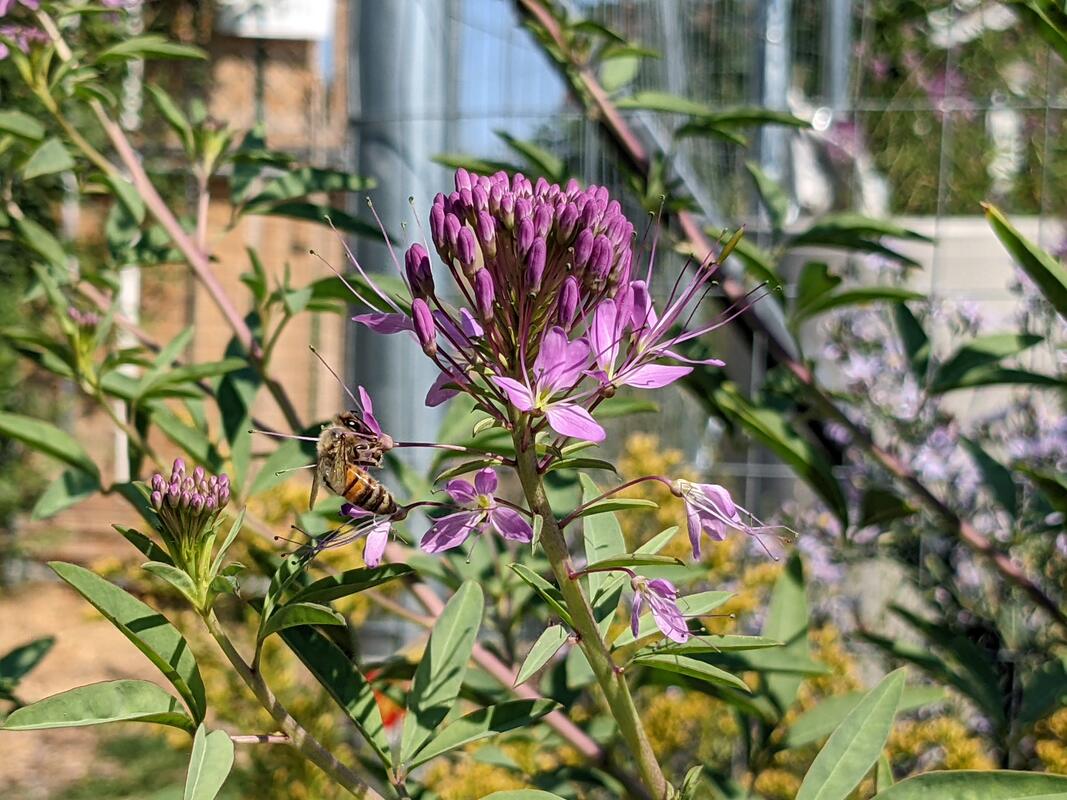
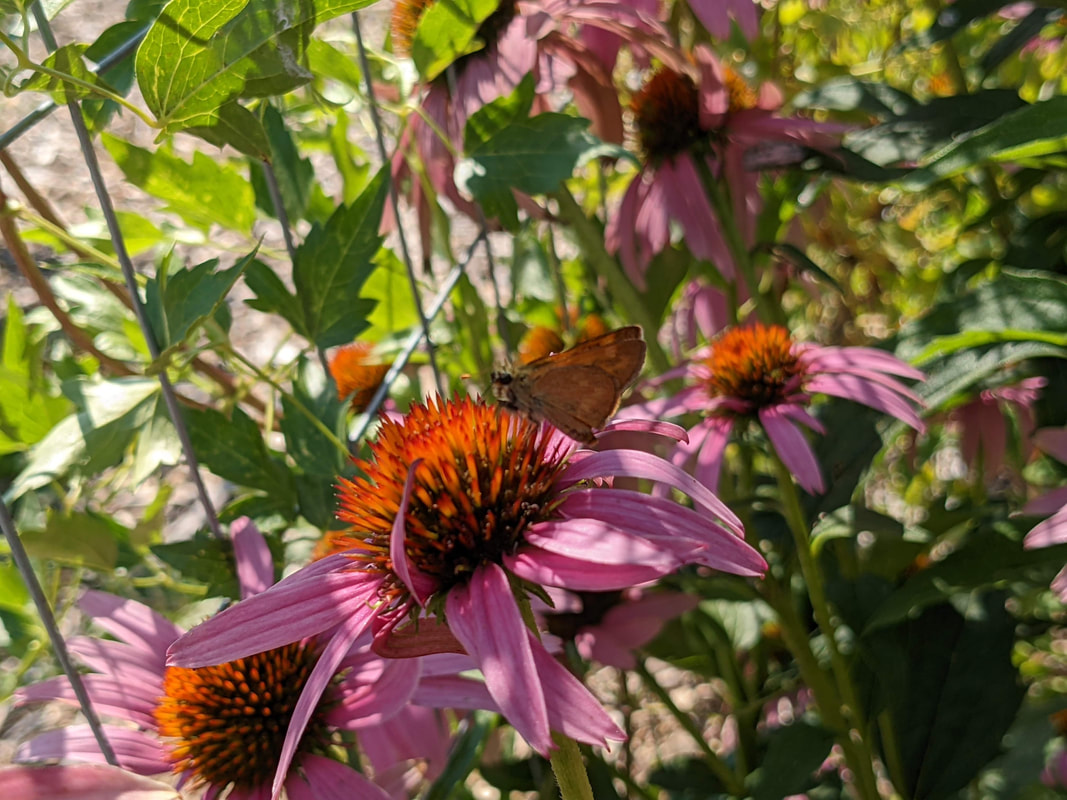
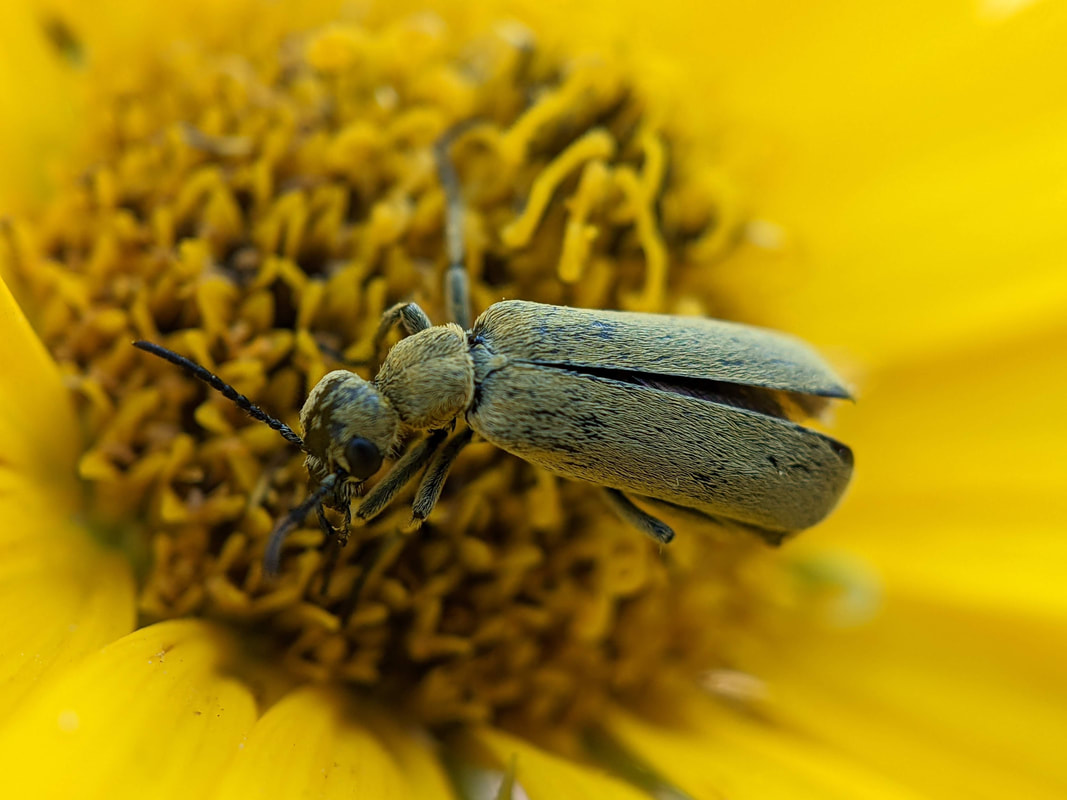
Just recently naturalist, writer, and son Shane was here to take a look together at the insects visiting flowers for pollen and nectar. I loved seeing the variety we found in just a few hours. This affirmed all my hard work to replace Kentucky bluegrass with dozens of blooming plants that are native to this place. Here are some of Shane's photos that appear in his blog post about our day: "Five late-summer wildflowers and the complex world of their bees" (whatsgoingonblog.org). Look amongst the blossoms for butterflies, bees, predatory wasps & a blister beetle- each with their own story of interaction within this ecosystem!
|
|
|
|
|
|
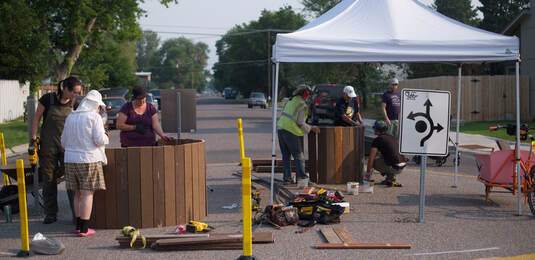
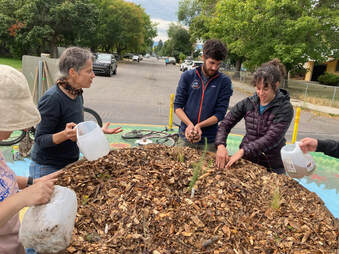
I find that this project and love of mine can't help but ooze out into my neighborhood, given my commitment to community, as well as the nourishment it offers my single-adult existence! So in 2021 I also had the delight of imagining and designing planters and larger "parklets" of native meadows for several traffic-calming areas out in the midst of our neighborhood's asphalt to bring pockets of lovely and vital ecosystem connectivity into the streets. Lots of others joined in to make the idea a reality.
|
|
In the way that one thing grows into another, the enthusiasm of 35 neighbors working together in this way has become a "Green Team" within Franklin to the Fort Neighbors in Action (F2FNiA), my neighborhood's engaged group working to bring the kind of hopeful change here that F2F folks want for a more livable community of humans. 2021 and 2022 have seen hard work as the Green Team collaborates with Missoula's Developed Parks and Trails staff. We have a design ready to plant this fall in nearby Franklin Park. It will be ~200 square feet of native Montana plants from chokecherry, curlleaf mountain mahogany and wax currant to white prairie aster, showy milkweed, twin arnica and cutleaf daisy. Citizens walking their dogs or biking along the Park's north trail will see how they might beautify and enliven their own lawns with the rich diversity of a native blooming ecosystem, while conserving precious water resources.
We've also begun a much larger conversation with our local school, Franklin Elementary. Parents, teachers, Garden City Harvest staff and F2FNiA are teaming to imagine and create a Schoolyard Habitat there to bring native plants as a large ecosystem for outdoor nature curriculum to students and families, as well as a quiet pocket of green wildness and an additional island of connectivity for native insects and birds in this urban area.
In the yard here, I expect to end the fall of 2022 with a new toolshed in a more useful location; an easier way to receive mulch and compost through gates into the yard proper; more depth and variety to the hedges and habitat; and drip irrigation. This infrastructure eases my workload and increases the potential for education and inspiration to casual passersby, friends, co-conspirators, and students. This winter I'll be planning classes and small-group backyard in-person labs for 2023. Contact me to be on a mailing list for updates on these events!
Enough narrative! Here are some more pictures to tell the story in images rather than words!
We've also begun a much larger conversation with our local school, Franklin Elementary. Parents, teachers, Garden City Harvest staff and F2FNiA are teaming to imagine and create a Schoolyard Habitat there to bring native plants as a large ecosystem for outdoor nature curriculum to students and families, as well as a quiet pocket of green wildness and an additional island of connectivity for native insects and birds in this urban area.
In the yard here, I expect to end the fall of 2022 with a new toolshed in a more useful location; an easier way to receive mulch and compost through gates into the yard proper; more depth and variety to the hedges and habitat; and drip irrigation. This infrastructure eases my workload and increases the potential for education and inspiration to casual passersby, friends, co-conspirators, and students. This winter I'll be planning classes and small-group backyard in-person labs for 2023. Contact me to be on a mailing list for updates on these events!
Enough narrative! Here are some more pictures to tell the story in images rather than words!
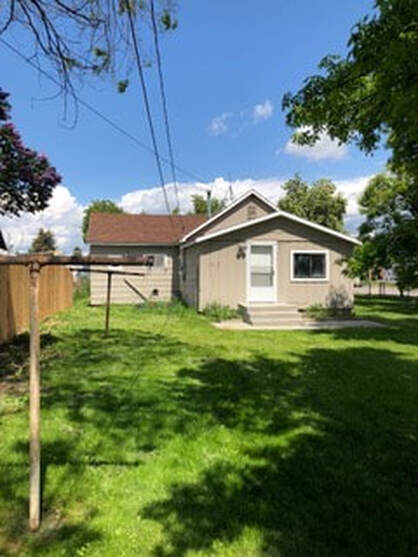
Kentucky bluegrass lawn in 2018.
|
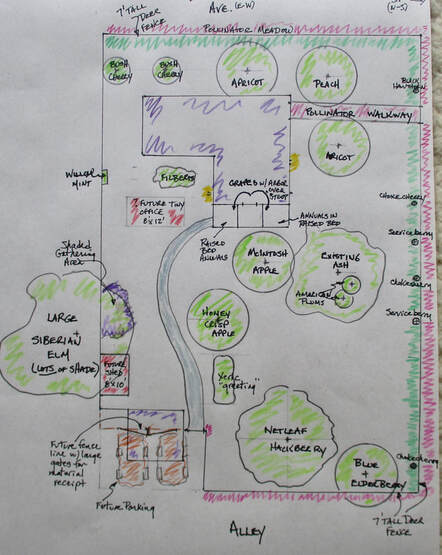
Sketch of my overall design.
|
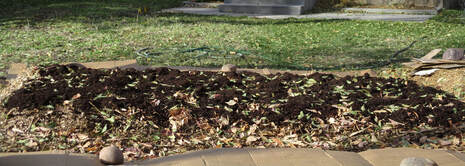
Layers of cardboard & compost over grass to build deep rich soil .
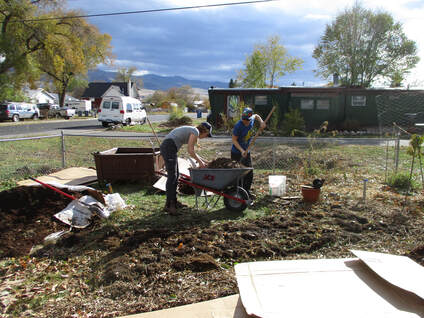
Help from friends Trez & Lindsay creating a sheet mulched bed.
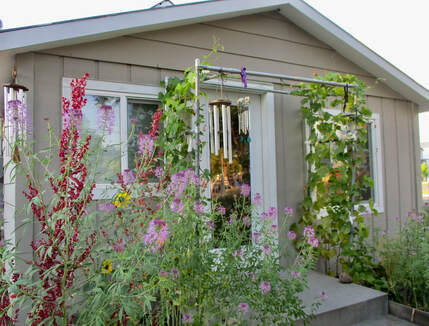
Grapes & pole beans on trellis over south entry for shade & food.
|
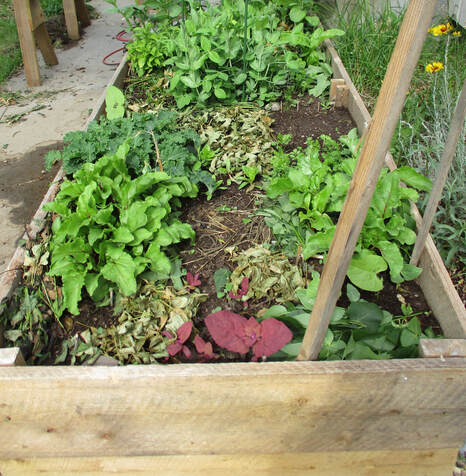
One of the raised beds for vegetables and native plant starts.
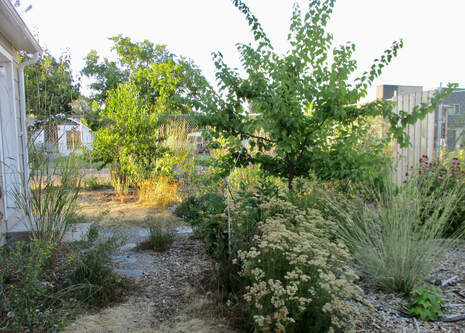
East yard full of blooming native perennials & fruit trees.
|
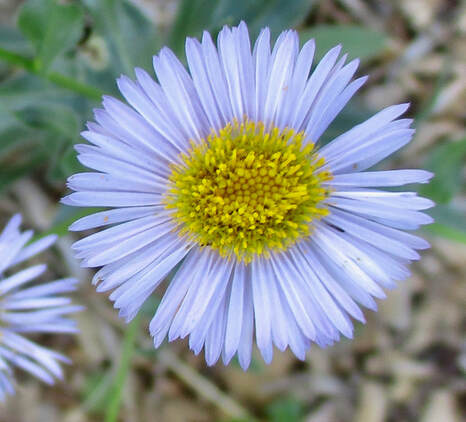
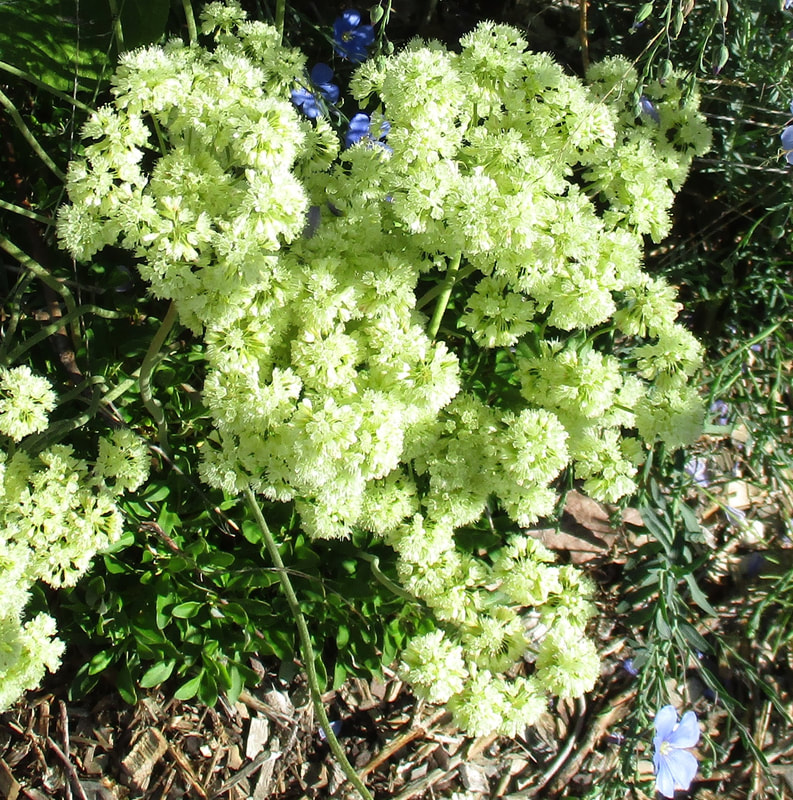
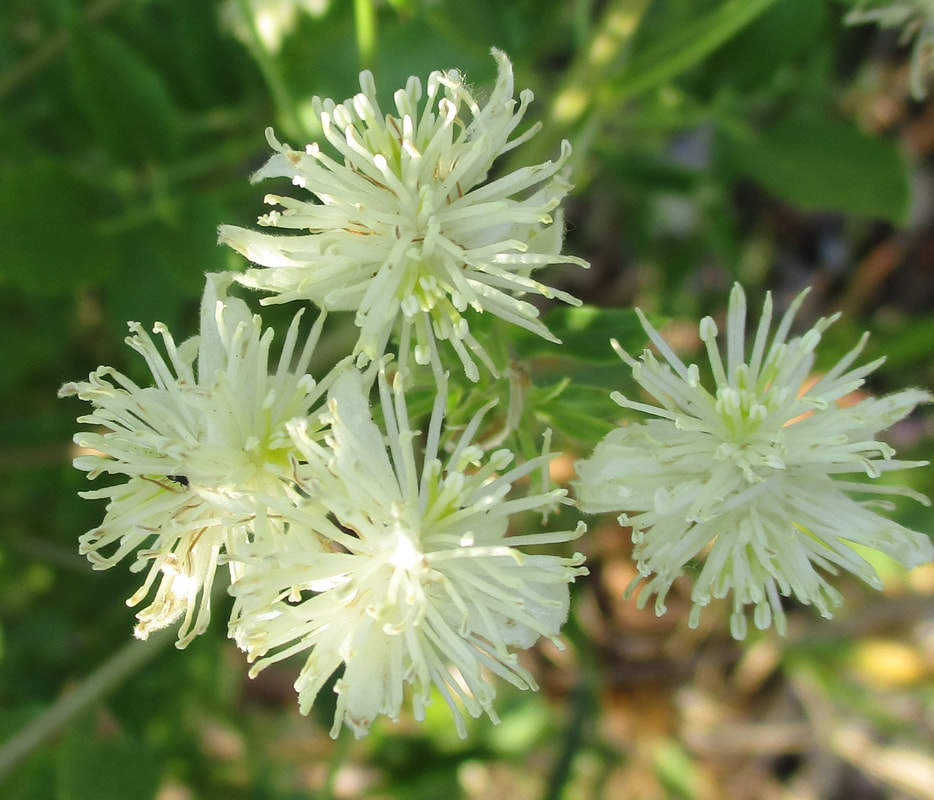
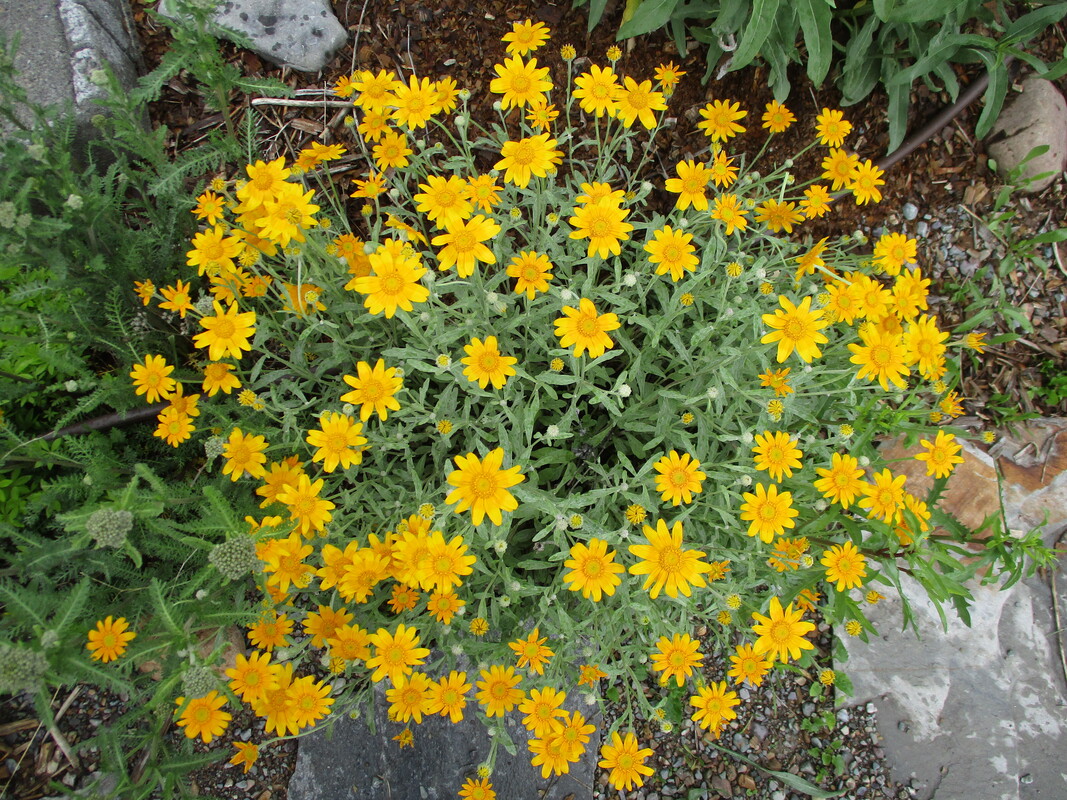
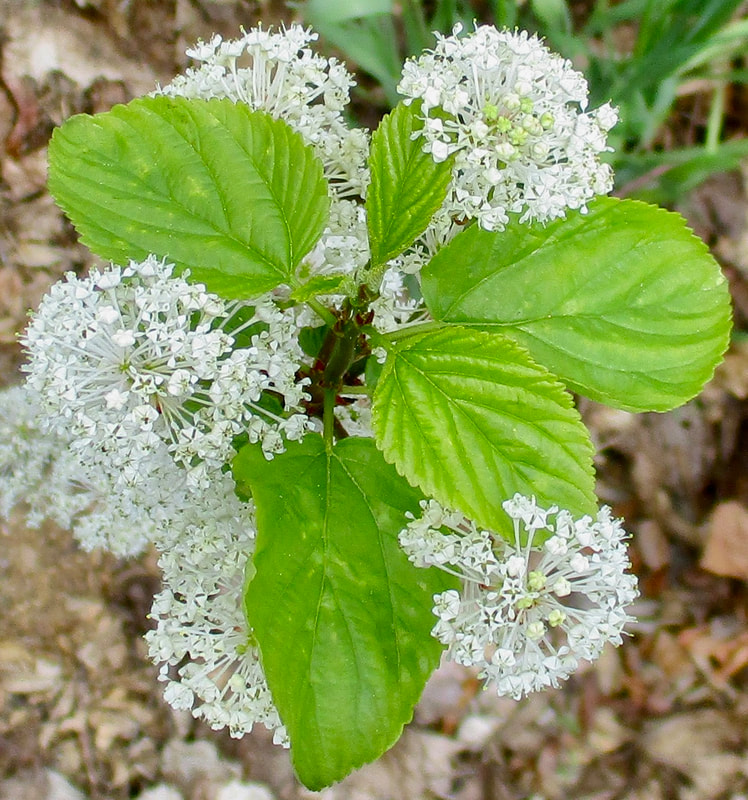
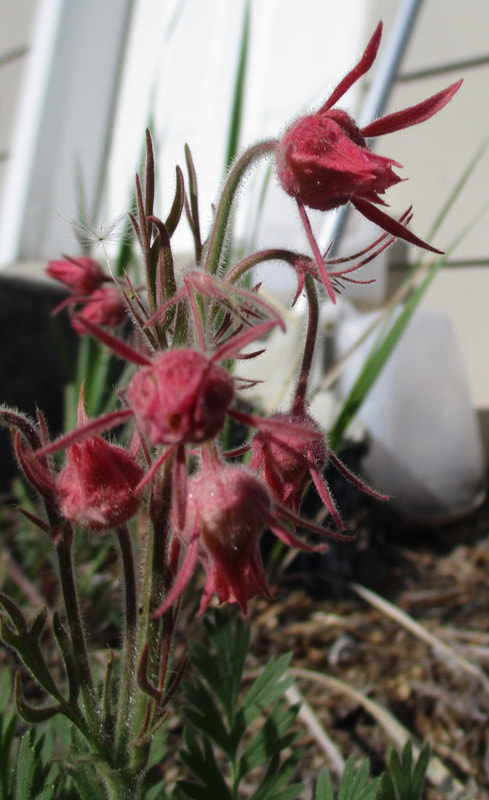
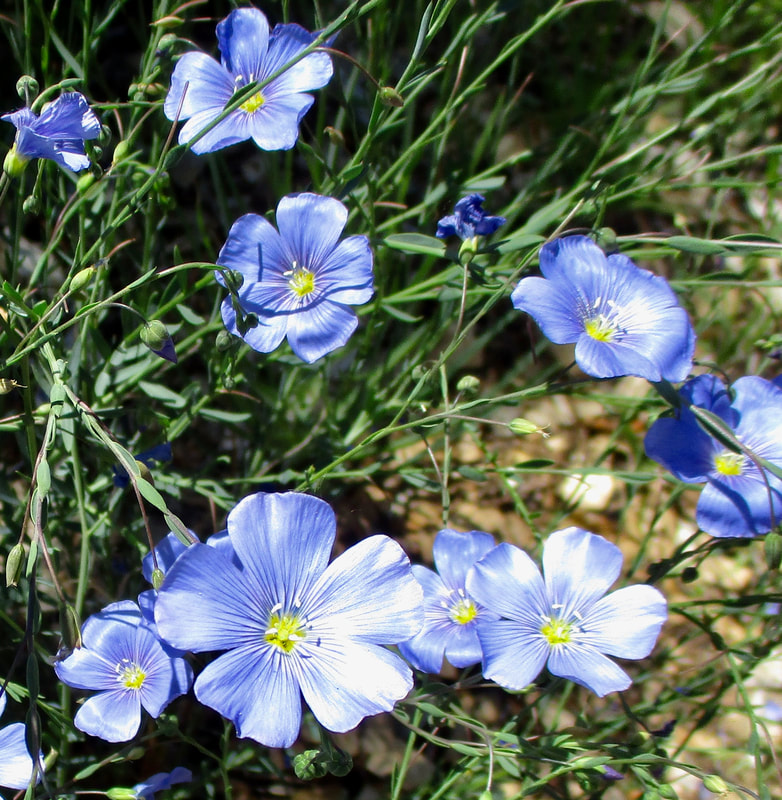
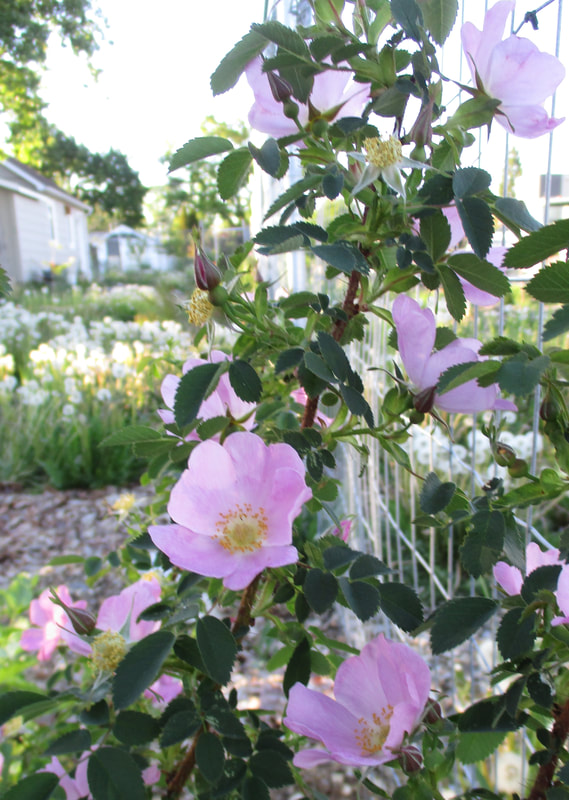
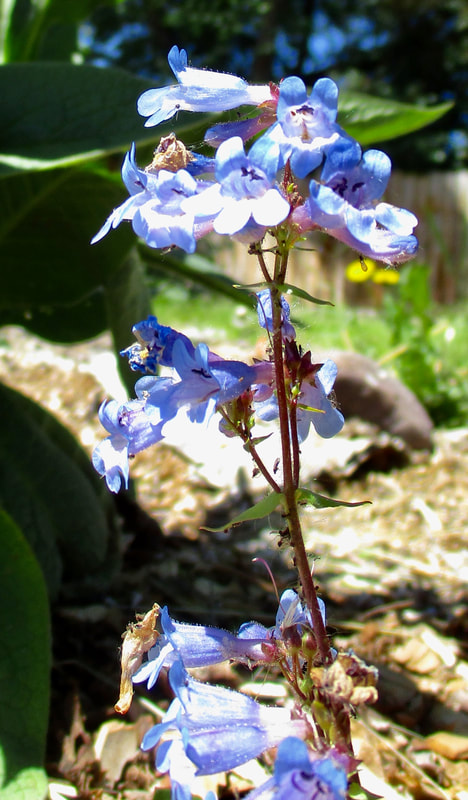
And all kinds of native plants flowering from spring to fall:
|
|
|
|